
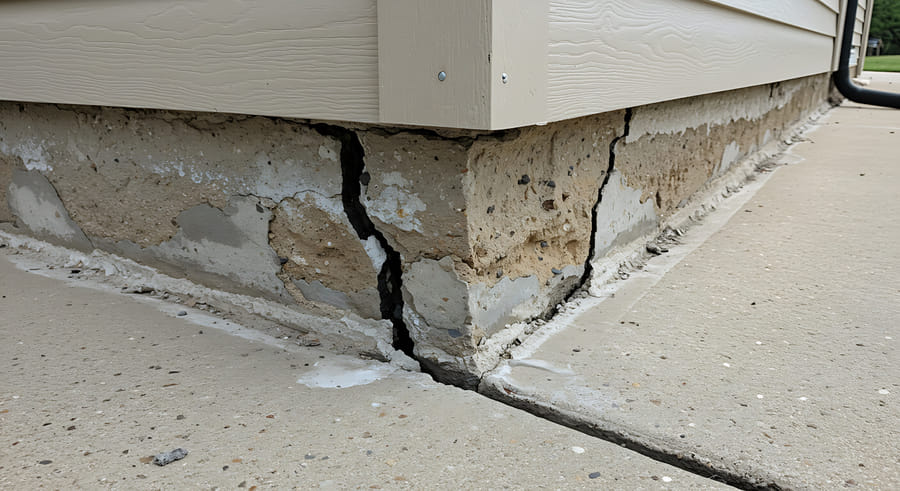
When defective workmanship causes leaks, cracking, mold, or structural issues, most homeowners want repairs fast. But in Texas, rushing the process can unintentionally weaken your legal rights. Many claims must follow the Texas Residential Construction Liability Act (RCLA), which includes notice and inspection steps.
Common construction defect examples
- foundation movement and cracking
- roof leaks and water intrusion
- window/door installation failures
- plumbing leaks behind walls
- drainage grading problems
- mold and moisture damage
- code violations
- electrical hazards
The RCLA process in plain language
While every case differs, many claims start with:
1. Written notice to the contractor
This notice identifies the defects and damages and gives the contractor an opportunity to inspect.
2. Opportunity to inspect
The contractor may request inspection of the property. Documentation during inspection is critical.
3. Repair offer or settlement offer
Contractors may offer repairs, a cash payment, or both. Evaluating whether that offer is adequate requires careful review, often with expert input.
These steps can affect your ability to recover certain damages later if skipped or mishandled.
Mistakes that commonly hurt homeowners
Mistake 1: Starting major repairs too early
If you repair before documenting the defect and cause, the contractor may argue there’s no proof.
Mistake 2: Only relying on the contractor’s opinion
Independent inspection by a qualified expert can identify hidden causes and broader scope.
Mistake 3: Losing paperwork
Save all contracts, change orders, invoices, texts/emails, warranties, permits, and photos.
Mistake 4: Accepting a quick “patch” fix
Short-term repairs may not address root cause (for example, roof patching when flashing or decking is the issue).
Mistake 5: Waiting too long
Time limits may apply through statutes of limitation and repose depending on the claim and when construction occurred.
What to document immediately
- photos/videos (wide + close-up)
- dates defects first appeared
- weather events that worsened issues
- communications with builder/contractor
- repair estimates
- expert reports and moisture readings (if relevant)
